
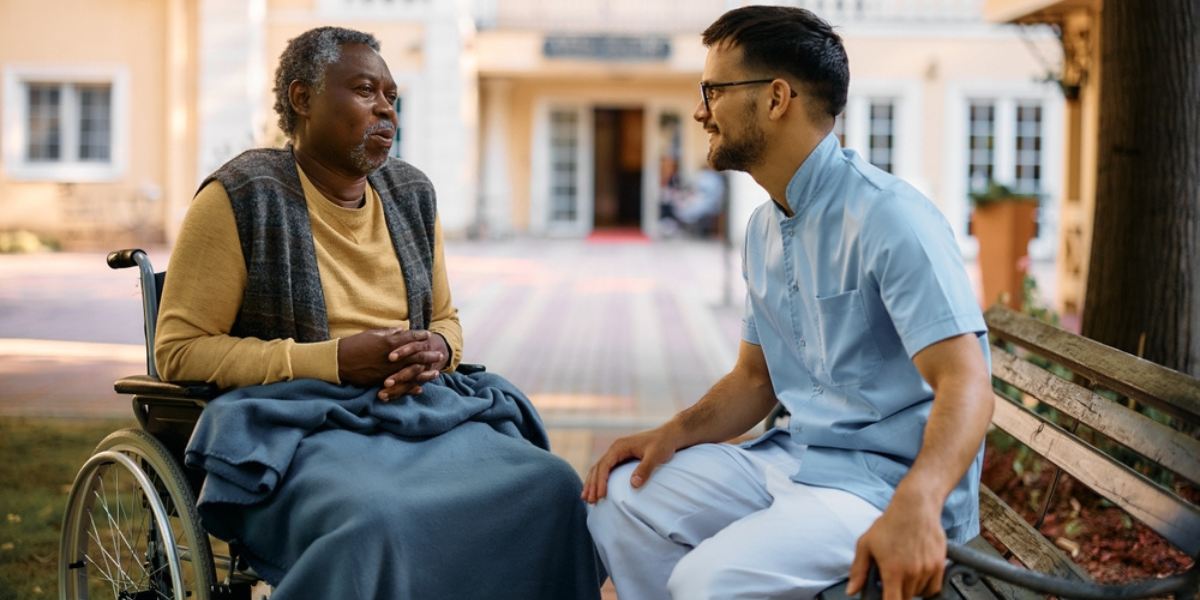
California has one of the most diverse and fastest-growing populations of older adults in the nation. But many older Californians — particularly people of color, immigrants, and those with lower incomes — continue to face such barriers to health care as lack of access, language indifference, and cultural insensitivity that prevent them from receiving the integrated and compassionate care they deserve.
Archstone Foundation’s mission is to improve the health and well-being of older Californians and their caregivers so that growing older is a time of connection and dignity. Two organizations we have supported because they share that goal, the AC Care Alliance (ACCA), who recently expanded their reach in Los Angeles with Archstone Foundation support, and Via Care Community Health Center based in Los Angeles, are deeply dedicated to creating person-centered care for older people who have been historically left behind.
AC Care Alliance: Care Based on Faith
For more than a decade, the AC Care Alliance has been refining a model of care rooted in faith, trust, and community. Acknowledging the mistrust that many individuals in Black and Hispanic communities feel toward medical professionals, it has steadily expanded its effort to educate older people and their caregivers not only about how to care for themselves but also about how to advocate for themselves. Its care navigators, now in six urban California counties, excel at asking questions and listening to the stories of those they serve, enabling them to look beyond a diagnosis and create a whole-person-centered care plan.
“We're educating the community not just on how to care for themselves but how to go outside themselves and speak to their clinicians about their health care,” says Trevino Cochran, who directs the ACCA’s operation in Los Angeles. “When we support our members in saying, ‘I'm important. You need to listen to me. What I have to say matters because it's my life,’ it helps them trust their providers.”
Helping with health care, advanced care planning, caregiving, and social supports are cornerstones of ACCA’s work. While respecting the beliefs and values of everyone, it also acknowledges the significant role faith plays in the communities it serves, including hosting luncheons where clinicians and pastors can explore how to coordinate support for the patients and congregants they share.
Open communication in support of whole-person care has fostered deep connections between a myriad of people and their care navigators. Two sons sharing the caregiving for their ill mother had not anticipated the intimate nature of much of that work, for example, and came to gratefully rely on the expertise and support of the care navigator who guided them through their new responsibilities. Such stories exemplify the ACCA’s mission in action - and the navigator is especially proud that the sons remain connected to this day.
Via Care Community Health Center: Integrated, Inclusive Care
Since 2015, Via Care has delivered high-quality care to people often underserved by traditional health care systems — regardless of their ability to pay. The work, which has now expanded to 16 clinics in Southern California, addresses common barriers for older adults such as low health literacy, language differences, transportation limitations, and mistrust of institutions.
As a provider of Enhanced Care Management, a Medi-Cal benefit, Via Care helps patients access critical services despite those barriers. Their Wellness Saturdays offer patients extended time with primary care providers and allow them to combine those visits with dental treatments and appointments with other medical specialists, significantly reducing the logistical burden on caregivers. Pharmacy consultants can use this time to explain how medications work, emphasize the need to adhere to directions, and help determine if changing dosages or prescriptions would benefit a patient.
“Our older populations often need various services, and coordinating those appointments in traditional healthcare systems can be challenging,” says Patrice Wagonhurst, Via care’s chief development officer. “Senior Saturdays ease the burden on caregivers and also provide patients with multiple services in one day.”
Via Care’s support plans, in languages their patients prefer, emphasize attention, time, and respect. One example of this high level of care is a patient with diabetes who normally lives with a daughter who manages his care well, went with a son unfamiliar with diabetes care, a care manager educated both children on the importance of adhering to their dad’s care plan and offered a contingency plan if his condition changed. As importantly, the Via Care worker empathetically supported the children and reminded the patient how fortunate he was to have their love and care.
Community Wisdom, Equity, and Respect
Although differing in structure and setting, both nonprofits operate on the premise that older people thrive when care is founded on trust, respect, and belonging. Both are working to rebut ageist and ableist assumptions and replace them with models of care centered on interdependence, resilience, and dignity — demonstrating that equitable care must be relationship-centered, culturally attuned, and led by people in the communities being served. The impact both are having is evident in improved health outcomes, increased trust in the healthcare system, and enhanced quality of life for thousands.
As a previous post on this blog made clear, Medicaid has served as a lifeline for six decades for millions of the nation’s historically marginalized and vulnerable people and their caregivers, enabling them to live well and age with dignity. Proposals to reduce federal spending on Medicaid, now under debate in Congress, would jeopardize the health and well-being of this population across the nation — 15 million in California, including 1.7 million older than 65. Enacting these cuts could endanger the services offered by Via Care and make life more difficult for many served by the Care Alliance. The programs of both, and many others the Foundation supports, help populations often overlooked by mainstream systems, and cutting Medicaid would significantly harm millions whose dignity and independence deserve protection.
Discover more about Archstone Foundation’s mission and equity strategies that support inclusive aging across California on our website or by connecting with us on LinkedIn or Facebook.


Comments
These are great examples of what we can be doing despite the current headwinds!