
Studying aging has given me a new perspective on our daily interactions and how they change as we age.
While interning at Archstone Foundation, I am studying gerontology and business as an undergraduate at the University of Southern California. And the central takeaway from my gerontology classes has been this: Whether focusing on sociology, health issues, or policy, there is no one-size-fits-all solution to the problems people face as they get older. There is no way to generalize processes such as advance care planning or caretaking, because people of different cultures and life experiences have many different perspectives about family and dying. And studying aging is innately interdisciplinary, so it’s not appropriate to concentrate solutions in one subject area.
Learning about the Foundation’s Three T’s strategy for providing care that integrates health and social services holistically has reinforced these views. I have realized how promoting integrated care teams and sustaining them with appropriate training and the best technology will reduce the disconnections among various types of caregivers that result in less person-centered care.
My area of interest is focused on how such integrated teams can create more culturally aware solutions and processes that adapt to individual’s needs.
Community Health Workers’ Unique Insights
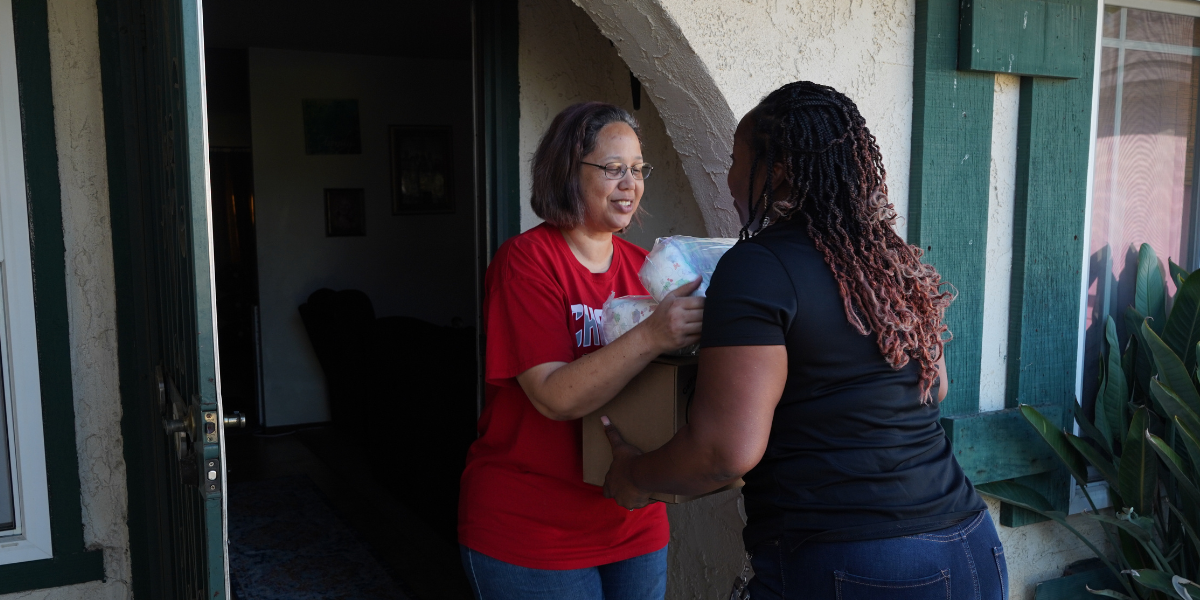
One example of the impact of culturally aware teams is El Sol’s approach to depression care for older adults. The El Sol Neighborhood Educational Center of San Bernardino mostly helps recent immigrants and families with limited English proficiency. It trains community health workers (CHWs), or promotores de salud, to support older adults and their families and thereby improve the health of their communities. And through an Archstone Foundation capacity-building grant, El Sol is deploying CHWs in a clinical setting while working to find partners who are allowed to bill Medicare for the mental health services being provided to older adults.
There is a lot to learn from this approach, especially the value of incorporating the voices of people who come from a community in the search for a solution. CHWs are acutely aware of the barriers the people they serve face in their daily lives, so they can provide valuable insight into which solutions align with and respect a community’s values – and which ones don’t. Other healthcare providers can integrate such cultural awareness into their services by relying more on clinicians who belong to the communities of the patients served and using teams – outside clinical settings – that are both cross-disciplinary and culturally attuned.
When community voices are included, care teams will be more easily be able to incorporate all the perspectives crucial for adapting and tailoring services to the diverse needs of older adults.
The Benefits of a Good Huddle
While attending the Coalition for Compassionate Care of California's 15th annual summit, I learned about an oncology and palliative care team huddle system implemented at Kaiser Permanente Santa Clara. Bringing the two groups together to discuss each patient’s concerns leads to more centralized care and reduces the chances the teams will give contradictory orders or base their decisions on conflicting information. These huddles demonstrate how care providers within organizations are taking steps toward a one team approach that prioritizes diversity as a means to understanding and supporting patients. Each team member is not an expert in all fields, but by convening, they can bring to bear all the perspectives needed to understand and address a patient’s situation.
Relying more on community health workers and cross-team huddles are just two ways to increase collaboration and enhance person-centered care. Each organization may have a unique and appropriate approach. What cross-team collaboration champions is the inclusion of a diversity of voices into processes that would otherwise tend to remove a disease, conflict, or problem from the whole-person context.
Each aspect of health care I’m learning about – from end-of-life care to information technology to advocacy for minority communities – merits attention on its own. But, when combined in practice they have the power to create robust services that speak to cultural nuance and make aging more equitable for all Californians.


Comments
Thanks for such important information that is presented in a clear, compelling way. I'm also reminded of the hierarchies that often exist in teams and can interfere with communication, particularly in the areas of culture/diversity.