
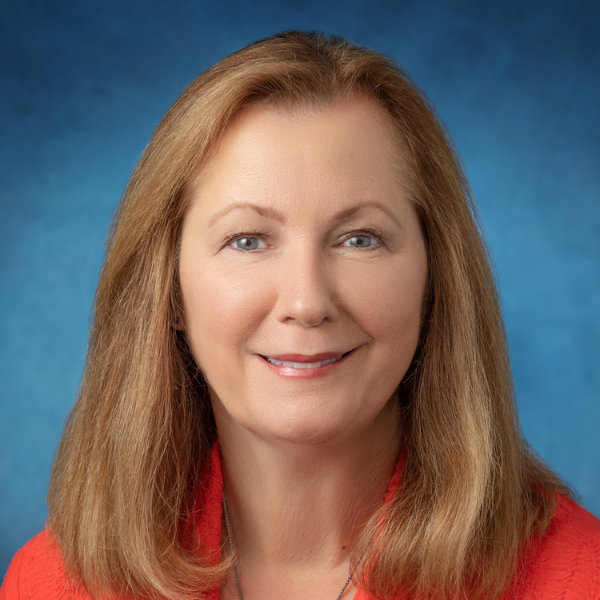
At the end of this month, after nearly three decades, I will be retiring from Archstone Foundation. These have been wonderful years and I wanted to share some of my thoughts and reflections.
I came to the Foundation in March of 1995 when it was known as the FHP Foundation in recognition of FHP, the HMO from which the endowment came. At that time, we funded across the lifespan in Southern California, Utah and Micronesia. I was the Foundation’s first program officer. We funded everything from prenatal care to care at the end of life. In doing so, it was difficult to develop expertise and deep relationships as we moved from topic to topic.
In late 1995, the Board held a retreat where they decided to focus solely on aging for the next five years. Most of our grantmaking at that time was responsive. We issued occasional requests for proposals but most of what we funded came in over the transom. We issued RFPs on intergenerational programs, aging in place, long distance caregiving, among others. We also developed deeper relationships with grantees and experts in the field.
One of our signature efforts was helping to launch Grantmakers In Aging, the now national affinity group of foundations with an interest in aging. My first GIA meeting was in the basement of AARP. There were about a dozen of us including the speakers. We gave them core operating support and took on leadership roles in the organization. Almost 30 years of support has allowed GIA to grow into the strong national presence it has today. GIA became our grantmaking home for learning and developing collaborations.
In the early years we funded in Micronesia, as FHP had a hospital in Guam that served the old Pacific Trust territories. I made three trips to Micronesia to work with our grantees. We funded the creation of dispensaries staffed by community health workers and medical officers, solar powered radios for telemedicine, safe water systems, immunization campaigns, training for community health workers and medical officers, among others. It was fascinating work in basic public health. In 1999 my role within the Foundation expanded to Vice President, Secretary and Chief Financial Officer. In the early 2000s the Foundation decided to phase out the work in Micronesia and Utah and focus primarily on California with some national projects that could ultimately impact California. It was difficult to monitor grants so far away in Micronesia and Utah and narrowing the work to California allowed us to collaborate more closely with the grantees.
After the initial five years, the Board renewed their commitment to aging as we found a strategic and targeted approach made our work more effective. Like many others, our endowment was hit by the dot com crash of the early 2000s and our assets dropped substantially. We decided to sharpen our focus even more and to undertake three specific initiatives. They were in fall prevention, elder abuse and neglect, and care at the end of life. We committed $8 million to each over five years.
Putting Archstone Foundation on the Map
This was a substantial change for us as our grants were typically three years and for much less money. In fall prevention we already had six grantees who were doing work on and developing expertise in that area. I convened them for a day of sharing best practices. At the end of that day, the group requested a statewide convening, which we spent the next year planning. We had academics, members of the legislature, community-based programs, hospitals, health plans, and advocates, and we spent three days developing a blueprint for fall prevention in California. We then used the blueprint to develop the next five years of Archstone Foundation grantmaking. At the same time, we worked with the National Council on Aging to develop a national strategy. Having linked California and national strategies allowed for helpful synergies and enabled state and national players to learn from each other.
In elder abuse and neglect, I conducted key informant interviews and focus groups to develop this initiative. We identified program areas, issued an RFP, and brought together a learning community with the University of California-Irvine as the technical assistance provider and convener and the Measurement Group as the evaluator.
We used a similar formula for our end-of-life work, bringing together a learning community with University of California-San Francisco as the technical assistance provider and convener and Vital Research as the evaluator. In the end we funded each of the three initiatives for more than 10 years and more than $12 million each.
These initiatives put Archstone Foundation on the map as a known and well-respected foundation and funder in aging. Legacy reports on each of these initiatives are available on our website. These successes demonstrated that the Foundation was able to have a greater impact, develop leadership, and move the field by focusing on specific initiatives.
Shifting Focus
These accomplishments also inspired the 2012 strategic planning retreat, where the Board decided to focus our work in three new priority areas—mental health, aging in community, and family caregiving. As with the three prior initiatives, we had already done substantial work in these areas and had identified strong champions.
For the mental health work, we contracted with Drs. Jürgen Unützer from University of Washington and Ladson Hinton from University of California-Davis to conduct an analysis of the field, literature review, and key informant interviews. They recommended focusing on late life depression and funding a cohort of projects combining the collaborative care model of depression treatment in partnership with community-based organizations and family caregivers.
In aging in community, we issued an RFP and funded eight projects, four of which were Villages, a unique, generally volunteer-driven model of age-friendly community development. At the end of that initial funding, the Foundation selected 10 Villages and funded University of California-Berkley to be the evaluator and NCB Capital Impact to provide technical assistance.
In family caregiving, we funded the Institute of Medicine (IOM) to do a consensus study of family caregiving needs in the United States. We then used the IOM report to craft our funding in family caregiving. Using focus groups and national studies to form the basis of our strategy allowed us to develop evidence-informed grantmaking programs and formed the basis of collaboration with other funders.
In January 2019 our long time CEO, Joseph F. Prevratil retired, and we hired the Foundation’s second CEO, Chris Langston. Chris came with a long history of strategic grantmaking. One of the first things he did was to start us on a new strategic planning process. We also began to wind down our depression, family caregiving, and aging in community work.
Through this process, we adopted three new strategies all centered around care coordination, a departure from our traditional initiative-based grantmaking. Going forward the Foundation’s grantmaking will focus on teams, training, and technology. Each of the three program officers was assigned a strategy and began to work in partnership with potential grantees to develop the projects.
During the last two years, I have had the privilege of working with a collaborative of eight foundations to support California’s development and implementation of a Master Plan for Aging. We formed a funding pool to support contractors for the state and the many stakeholder groups to create a 10-year plan to support California’s aging population now and in the future.
In Closing: Thank You!
Over the 27 years I have watched us move from funding responsive grantmaking, to RFPs, followed by multiyear initiatives to now doing foundation directed strategies. Staff have learned a great deal over these years. We have built strong partnerships and continue to benefit from the strength of these relationships. We still play a leadership role in Grantmakers In Aging, and collaboration with other funders has become a hallmark of our work. All of these efforts have been supported by the Board, which has been instrumental in building a strong and capable staff, which I know will continue our good work.
Finally, I want to say thanks. Thank you to everyone who has made our work and our successes possible. Thank you for your leadership, dedication, and commitment to older Californians. I am so grateful for the opportunity to have worked with you. Thank you to Archstone Foundation staff and our Board, past and current, who have provided me with so much support. I have truly loved the last 27 years that I have worked with you.


Comments
Congratulations on your retirement, Mary Ellen, and thank you for the history of the Foundation. One of the remarkable aspects of the foundation is the sense of community you've fostered among your grantees, much to your credit--you really set the tone as a gracious and welcoming convener and co-learner. Your success in elevating aging and elder abuse to national prominance is truly appreciated and a legacy to be proud of.
Mary Ellen your leadership over 27 years has built what Archstone has come to be known for: purposeful community collaboration that produces exemplars in addressing the needs of older adults .
Thank you for covering this amazing history of the Archstone Foundation. It was such a pleasure working with you, Mary Ellen, and everyone at the Archstone Foundation. Such a wonderful group. Congratulations on your retirement and best wishes in your new adventures!
Mary Ellen, it was a privilege to know you and work with you on important family caregiving projects. Take care and enjoy your retirement or as I like to say, transition to a new adventure. My best regards, Jane
The experience in Micronesia sounds fascinating! And so many other adventures since then. Thanks for your focus on some of the most important areas for philanthropy, where Archstone has taken a leadership role and been ahead of the pack. All the best -- Kate
Thank YOU, Mary Ellen Kullman. You have made the world a better place, and no doubt will continue to do so. Best wishes always.