
Dementia is among the most feared and fraught parts of aging. It robs people of their ability to live independently, burdens families, and eventually is lethal. About 10% of the population over 65 have some form of dementia and another 10% have its frequent precursor, mild cognitive impairment. But the rate of dementia goes up rapidly with age such that perhaps 40% of people over 85 have it. Unfortunately, the burden of dementia is significantly higher — around 20% for older Black/African Americans and Hispanics. Government and pharmaceutical companies have struggled for years for treatments that might change its course.
Recently several drugs have been given expedited approval by the FDA and are even covered by Medicare, if only in the context of additional clinical trials. It remains to be seen if these drugs will ever hit the market and then find a significant role in the care of large numbers of people. The evidence for Aducanamab, the first, seems unpersuasive and its price, side effects, and complexity may make it a non-starter.
The more recent drug, Lecanemab, has better evidence and perhaps lower risks of side effects, but the effect size is very small — the equivalent on average of slowing disease progression by a few months. This is actually quite similar to the effects of earlier drugs on the market, such as Namenda and Cognex. The new -mab drugs (which use cultivated antibodies to attack some stage in the synthesis of beta-amyloid) just have a much more plausible method of action and have been shown to reduce the buildup of beta-amyloid in the brain to a remarkable extent. But more drugs are coming, and we can all hope that one of them is not just “disease modifying” at a microscopic level but actually has durable and meaningful impact on quality of life.
But what frustrates me is that we already know a lot of things that have a durable and meaningful impact on quality of life for persons living with dementia and their caregivers, but we don’t seem to be able to summon the will to do them because they don’t fit into the mental and regulatory box of the new “blockbuster” drug. So, what do we know? Lots.
What We Know
In most cases families have struggled and worried for years with the behavioral and cognitive effects of dementia before it is diagnosed — and we know even then dementia is woefully under detected. A diagnosis can be a relief from uncertainty and even conflict within a family that didn’t understand why someone was changing. And yet, good screening tools are available, and Medicare and Medi-Cal have multiple mechanisms to pay for screening. These are things that can be put into place today, without waiting for drugs that may or may not come. We are currently supporting the Alzheimer's Association and Dementia Care Aware in California to work with safety net primary care organizations to improve their screening and follow up for people with dementia.
As dementia advances, it puts more and more pressure on the ability of caregivers to support their loved ones in a safe environment. Educating and supporting caregivers is important and effective even if it doesn’t do anything detectable with an MRI. Putting “bumper rails” on what were previously manageable risks in life, such as vulnerability to financial scams, can be done if a person and their caregivers understand the danger. In partnership with The John A. Hartford Foundation and RRF Foundation for Aging, we are funding The Benjamin Rose Institute on Aging and the Family Caregiver Alliance to build out their library of Best Practice Caregiving tools — a free online database of proven dementia programs for family caregivers — to provide culturally-appropriate adaptations of evidence-based caregiving education programs for caregivers.
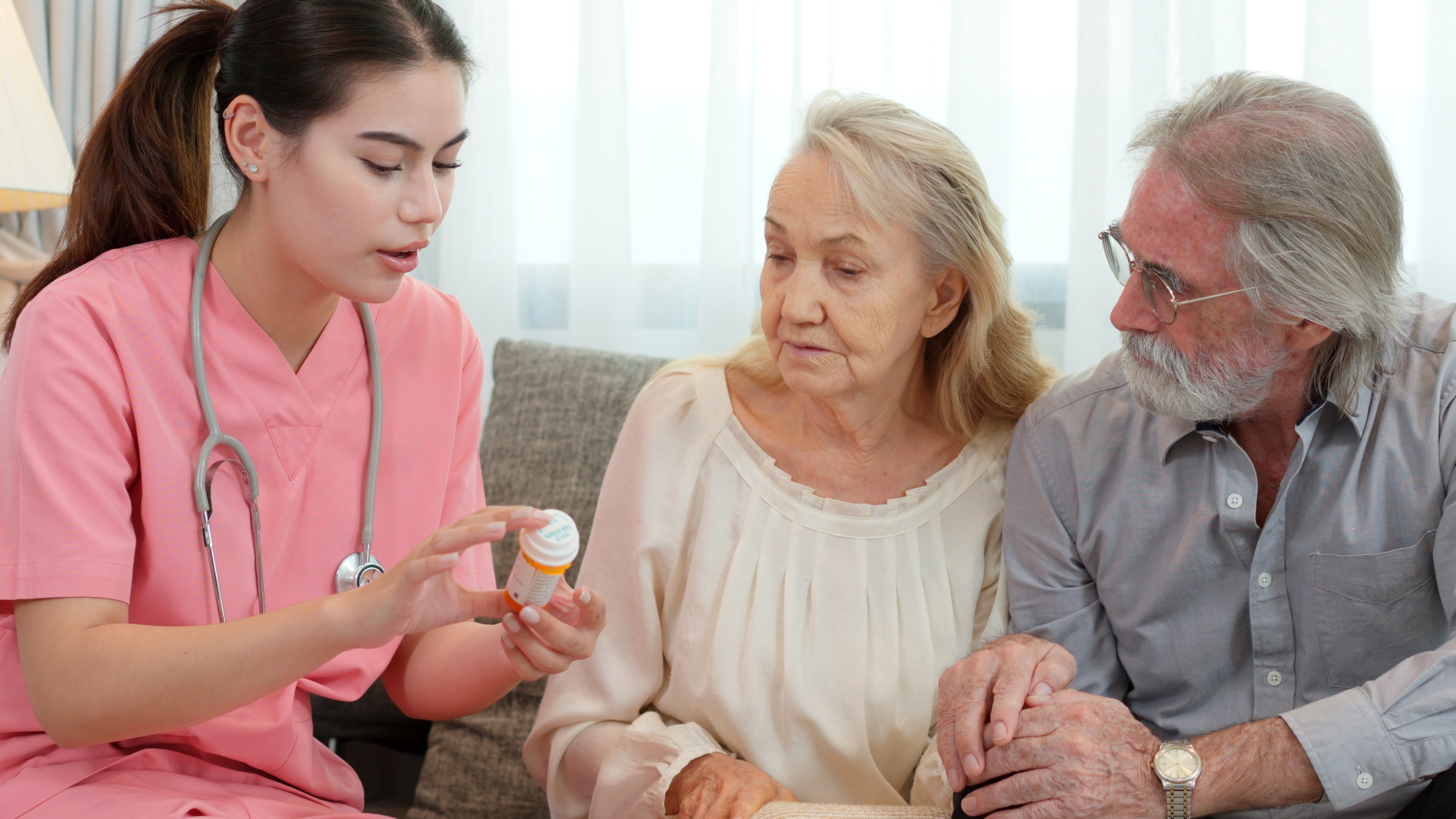
Even with educated and well-equipped caregivers, people living with dementia are at up to two times the risk of hospitalization for other illnesses as otherwise similar people without dementia. Managing chronic conditions is often very complicated by the time one reaches late old age. Forgetting to take one’s pills can have critical effects. And taking some medications (e.g., anti-cholinergic) seems to worsen dementia and increase other risks such as delirium. In combination with caregiver support, helping to manage chronic conditions and navigate the health care system, we can improve quality of life and reduce bad and expensive outcomes. In fact, we believe that thoughtful, coordinated care is the key to improved care.
Another thing we know how to do know for people with very low income and low wealth, is to make sure they get access to a wide variety of Medi-Cal benefits ranging from adult day health care, to the Program of All-Inclusive Care for Elders (PACE), to the emerging Enhanced Care Management benefit within Medi-Cal. Access to these benefits is limited both by means testing and needs testing. Failing to identify a person with dementia can mean that they won’t meet skilled nursing criteria that also define eligibility. It is shameful to think that people with the fewest resources might be blocked from important services because someone is mistakenly trying to spare their feelings at the expense of vital benefits.
Lastly, at least for the foreseeable future, dementia is a life-limiting terminal condition. It is already in the top ten causes of death. Improving early detection, providing palliative care, and advance care planning, can help people and families preserve quality of life. Given the terminal nature of the disease, some other preventative and screening medical care may be unwarranted. Colonoscopies, cholesterol medications, and forgone foods may no longer make sense given the ongoing process. Even if one does not choose to forgo such preventative care, treatment plans can often be simplified to make easier to follow at only slight reductions in effectiveness. We can make healthcare easier for people so that it can have the greatest benefit in improving people’s lives, even in the face of complex diseases such as dementia.


Comments
Chris - thanks for a great article and the recognition of the value of coordinated care for persons living with dementia. Families and friends, and the loved ones in their care, are often left feeling isolated and overwhelmed. Better coordination and communication can help improve care, and the wellbeing of those providing it.
Historically, care for people living with dementia has always relied heavily upon family and friend caregivers. Yet their role is under-recognized. Care coordination and care navigation are services that this under-recognized and unpaid workforce needs, but these services are not a priority for our health care system. Public support through Medicare and Medical, as well as private insurance have primarily channeled dementia healthcare funding into medical care and treatment. There is dramatically more funding available for specialty medical care and for psychotropic and other medical interventions than there is for the kinds of support that families need to do the day-to-day care. Our medical care system doesn’t invest in social interventions, like care coordination or care navigation, even though an investment in these relatively low-cost interventions can be high in impact.
The buzz words “social determinants of health” are gaining in popularity. The availability and capacity of a family or friend caregiver to provide quality care to a person living with dementia is a social determinant of healthcare outcomes for this population. Care navigation and better care coordination are needed to address this social determinant of health. These services must be funded as essential parts of dementia healthcare rather than supported as adjuncts through philanthropy provided to community organizations. Any comprehensive dementia payment model needs to include dementia care navigation, care coordination and caregiver training as intrinsic components. It is time we recognized that quality dementia care is more than medications and scans.
Thanks Debra. We hope that the new benefits in Medi-Cal can help support family caregivers and PLWD. We shall see if the Enhanced Care Management and the 14 community supports in CalAIM can meet the needs. Best, Chris