A significant step toward fulfilling Archstone Foundation’s mission – improving the health and well-being of older Californians and their caregivers – was taken eight years ago, when we partnered with the AARP California Foundation to support the creation of the California Task Force on Family Caregiving.
One of its charges was developing policies to recommend to the State Legislature. Those proposals helped shape the California Master Plan on Aging, released in 2021 with goals including expanding training, support, and respite care for family caregivers.
The task force then turned its attention to launching the California Coalition on Family Caregiving (CaCFC) – a collaboration of the University of Southern California’s Family Caregiver Support Center, Family Caregiver Alliance, and the Los Angeles Alliance for Community Health and Aging dedicated to helping the state’s diverse population of 4.5 million unpaid family caregivers and the recipients of their care.
With Foundation support, the coalition is identifying new opportunities to advance caregiving support while also working to implement the recommendations of the California Task Force on Family Caregiving, the California Master Plan for Aging, and the 2022 National Strategy to Support Family Caregivers created under the federal RAISE Act. These recommendations to support caregivers include education and training, resources such as respite, financial assistance, and other strategies to strengthen our healthcare and social systems to support all of us as we continue to age.
Caregiver and Advocacy Impact
It’s clear that caregivers play a crucial role in shaping the future well-being of Californians, but as we aim to create a just society, we all need to do our part to create the supports and structures we will need to care for all of us as we age. An AARP report shows that over 4.4 million Californians provided unpaid care valued at $81 billion last year. This highlights that caregiving is not an isolated incident but is a wide-reaching issue that impacts us all. A survey by the California Caregiver Resource Centers reveals the dedication of caregivers, with 91 percent offering intensive support, 73 percent devoting at least 40 hours a week to caregiving, and 41 percent caring for individuals who require constant supervision. Given these realities, it’s essential to implement comprehensive solutions that offer caregivers greater access to respite care, mental health support, and flexible work arrangements, to ensure that we have the resources necessary to continue providing high-quality care without compromising well-being.
A Coalition Ready to Advocate
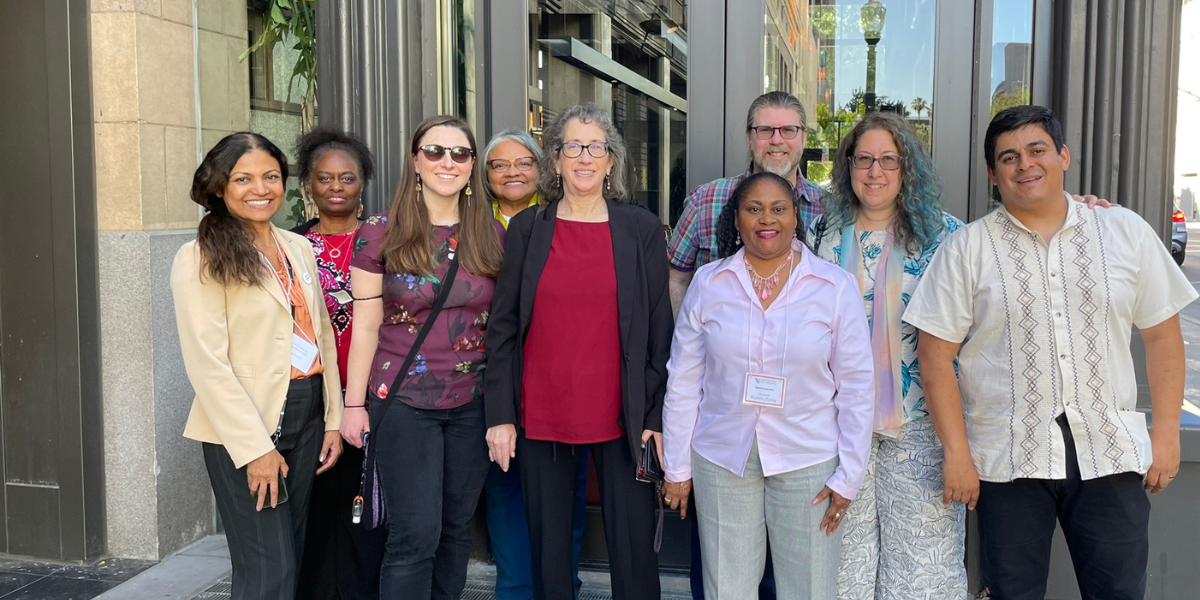
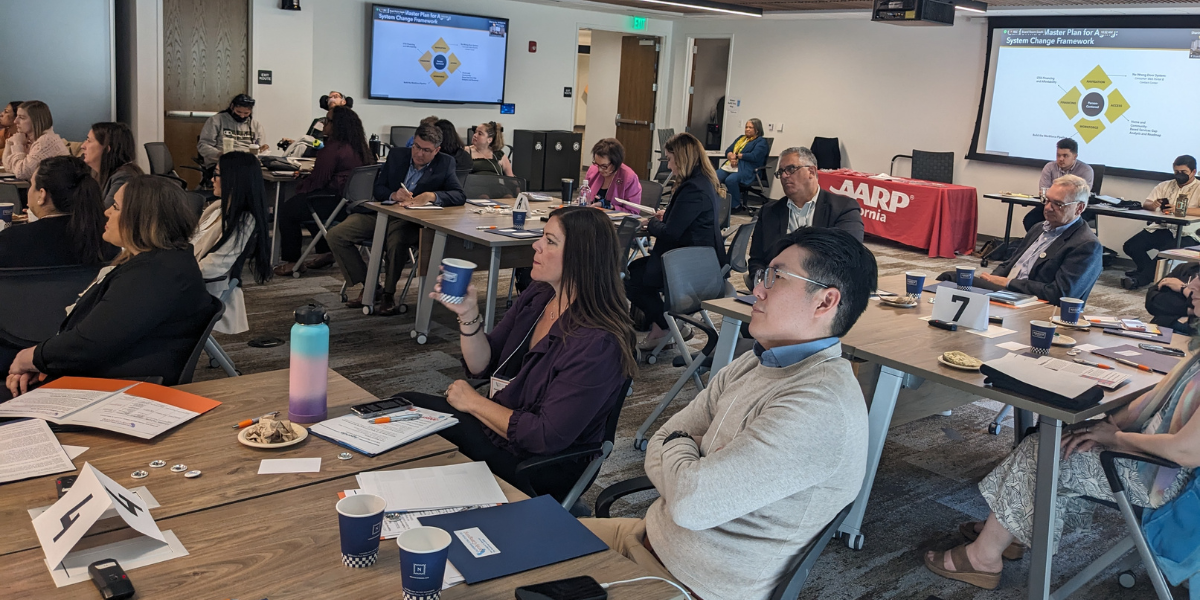
At the end of April, I joined more than 40 caregivers, advocates, and policymakers in Sacramento for the Caregiver’s Journey: The Roadmap to 2030, a conference organized by the CaCFC to strategize ways to improve support for caregiving for the rest of the decade. We discussed the impact of advocacy on recent statewide initiatives to enhance resources and systems for caregivers, shared advocacy strategies, and explored approaches to improving caregiving policy and family support.
Donna Benton, PhD, a research associate professor of gerontology at USC and the CaCFC’s director, opened the conference and emphasized the importance of preparing to meet the care needs of the near future. Our current structures, healthcare systems, and policies are either outdated or not built to support the care needs of our changing society, where 20 percent of Californians will be older than 60 by 2030.
Statewide Perspectives
Sarah Steenhausen, MS, the state Department of Aging’s deputy director for policy, research, and equity, focused on the Master Plan for Aging’s Goal 4, "Caregiving that Works," which aims to ensure adequate resources and support systems for family and friends providing care. She outlined the state’s wide-ranging approach to meeting that goal and called for systems change, additional financing, and enhanced workforce development to address increasing caregiving demands.
A panel facilitated by Nina Weiler-Harwell, PhD, of AARP California — staff member Liz Fuller of the state Assembly Aging and Long-Term Care Committee; Katie Duberg of the California Work and Family Coalition, and Kate Hoepke of Village Movement California — discussed advocacy strategies, policy advancements, and support for middle-income families.
Priorities and Recent Successes
Juan Carlos Guerrero, a co-chair of the CaCFC and a senior organizer at Caring Across Generations, talked about the coalition’s top legislative achievement last year – enactment of the state law requiring employers to provide workers at least five days of paid sick leave annually, up from three – and reviewed 2024 priorities. This is a significant step in the right direction of expanding paid leave for workers.
Principal among them was expanding the roster of Californians entitled to paid family leave to include “chosen family” members such as unmarried partners, aunts, uncles, and cousins — a change that would have particularly benefited LGBTQ+ caregivers. Unfortunately, the bill did not advance, but efforts to revive it next year have already begun.
Another important bill is awaiting the signature of Gov. Gavin Newsom would require Medi-Cal managed care plans to reimburse community-based adult day services at the same rates as the fee-for-service system. This would be a boon to many adult day programs, which are struggling to stay in business while offering health and social support to older adults and providing respite for families. You can go here or here to voice support.
The Legislature has also sent Newsom:
- A bill that would allow for earlier applications for paid family leave and disability insurance
- A bill that would allow Californians to take paid family leave without having to first use their vacation days
- A bill to improve training of law enforcement to recognize people with dementia
- A bill creating a rent subsidy pilot for older or disabled people who are homeless or are at risk of homelessness
The Future of Caregiving in California
As the conference concluded, participants’ energy and commitment underscored this truth: The future of caregiving in California hinges on proactive efforts now. Sustained advocacy, legislative support, and community engagement are essential to building a robust support system for caregivers and their families. The event reflected a shared determination to address the systemic challenges ahead and ensure all caregivers and aging Californians receive the support they need.
As we move toward 2030, we will need to sustain the momentum, working together to create a future where caregiving is valued, supported, and equipped to meet the evolving needs of California’s diverse population.
Donna Benton, Jenna Shankman, and Lois Angelo contributed to this post.