
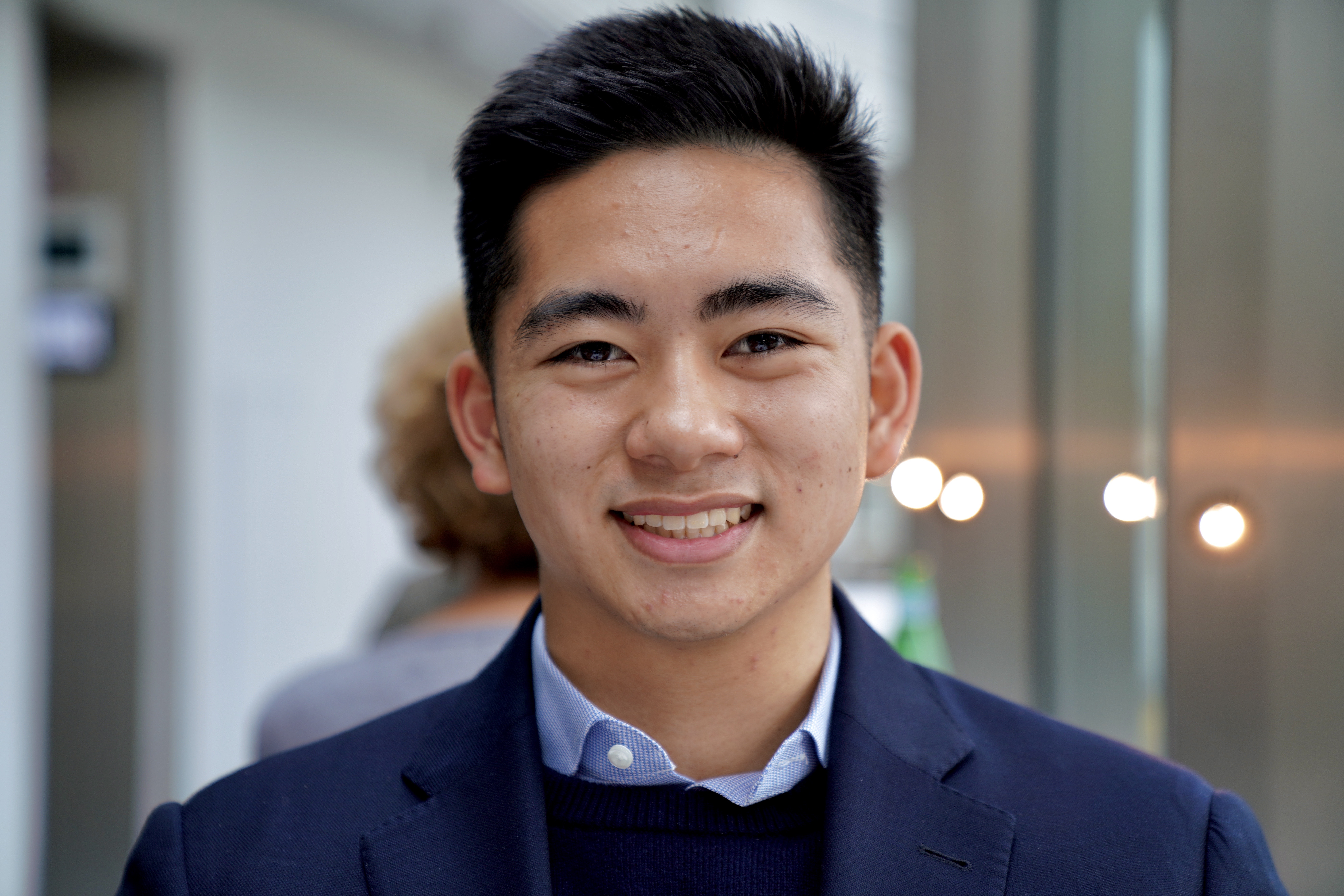
While interning with Archstone Foundation during my last semester at USC, I learned that grantmaking in aging is complicated – and requires strategy to yield success. Despite this understanding, I somehow hoped the technology grants in my portfolio would take a straightforward shape: Fund a cool new technology solution, implement it, and – Voilà! – improve the lives of older adults.

Reality looks more like what’s below: a tangled web of interconnected policies, surprising connections, and detours that lead to ends that often become new starting points.

After a year as a program associate, I have learned that successful systems change is messy, unexpected, and frequently serendipitous.
Exciting Work on the Horizon
While the field of aging has seen more than its fair share of slow, incremental progress, recent breakthroughs are breathing new excitement into what is possible. Across the state, programs such as California Advancing and Innovating Medi-Cal (CalAIM) and the Data Exchange Framework offer a glimpse into the future of healthcare. Although they have the potential to change how older Californians receive care and prosper in their communities, these programs are filled with nuances that quickly become confusing for all but the most tapped-in experts.
Reflecting on my time as a program associate, I feel immense gratitude to the mentors, colleagues, and partners who have provided me with expertise and perspectives. After experiencing the complexity at the heart of philanthropy and aging, I received the best guidance possible: remain open to learning.
In the last year, new projects and areas to explore have grown from the connections and efforts made; surprisingly, almost every new insight and opportunity was completely unexpected. For example, while attending the Healthcare Information and Management Systems Society annual conference in Chicago, I learned about new technologies that enable interoperable health data exchange and support a whole-person approach to care. Back home, dense policy efforts such as the Data Exchange Framework and CalAIM, which once appeared impenetrable, opened up for me and revealed new opportunities to improve the lives of older adults.
It is vitally important to find ways to leverage both of these reform efforts to improve how older Californians’ health information is shared among medical care and social service providers – a predicate to the improved care coordination Archstone Foundation seeks. Much of this thinking regarding the direction of our grantmaking in technology is explained in our recent Call to Partnership and reflects understanding gained by remaining open and constantly learning.
Ample Reasons for Optimism
I have great hope that connections formed among Archstone Foundation’s grantees will lead to systems change. One example is our work with the USC, Leonard Davis School of Gerontology to evaluate the Department of Aging’s Connections, Health, Aging and Technology (CHAT) program, which intersects with Community Tech Network (CTN), a grantee that has provided CHAT training. The CHAT pilot program is essential for promoting digital equity by enabling older Californians and their caregivers to participate fully in our increasingly technology-driven society. The program provided tablet computers and corresponding training to low-income or disabled older adults through the State’s Area Agencies on Aging network with the goal of reducing social isolation and bridging the digital divide. The insights from evaluating the successes and challenges of the program will improve how technology can best be integrated into the lives of older adults.
Archstone Foundation benefits from connections to both USC and CTN, enabling a deeper understanding from multiple perspectives. As our grantmaking continues to progress, there will be more answers – but also more questions – on how we can continue to learn and find meaningful impact within existing frameworks. Perhaps there will be opportunities that lie in future federal funding sources such as the Infrastructure, Investment, and Jobs Act, or maybe the next project will be centered on leveraging the benefits of local libraries. All I know is that the best solution might also be the most unexpected.
Before I arrived at the Foundation, I had the pleasure of working with Carly Roman, a doctoral student with deep expertise in such intergenerational programs as a phone chain that connected students and older adults during the COVID-19 pandemic. While she primarily taught me about programs that could improve the lives of older adults through technology, she also told me about a foundation in Long Beach where she was an intern and recommended I check it out. Three years later, I am now working with Dr. Roman as she takes Archstone Foundation’s Technology portfolio under her leadership. Unexpected serendipity.
Thank you to Archstone Foundation for allowing me to explore the field, take the scenic route, and appreciate the richness of the world of aging. From attending conferencesto participating in site visits with our partners and grantees, learning from multiple perspectives has provided me with the tools to see not only the trees but how they form the forest. I am excited to keep a part of Archstone Foundation in my heart – to continue to stay open and learn – as I begin law school this fall.


Comments
Heartwarming to see Ryan's interest in the field of aging, from his days as a student intern at WISE & Healthy Aging, continue to grow and be nurtured by colleagues associated with the Archstone Foundation. Inspiring to have individuals from the next generation making an impact -- well done!
-- Grace Cheng Braun (former president and CEO of WISE & Healthy Aging)
thanks for a lovely summary and for your reflections, and for providing the hopeful message!