
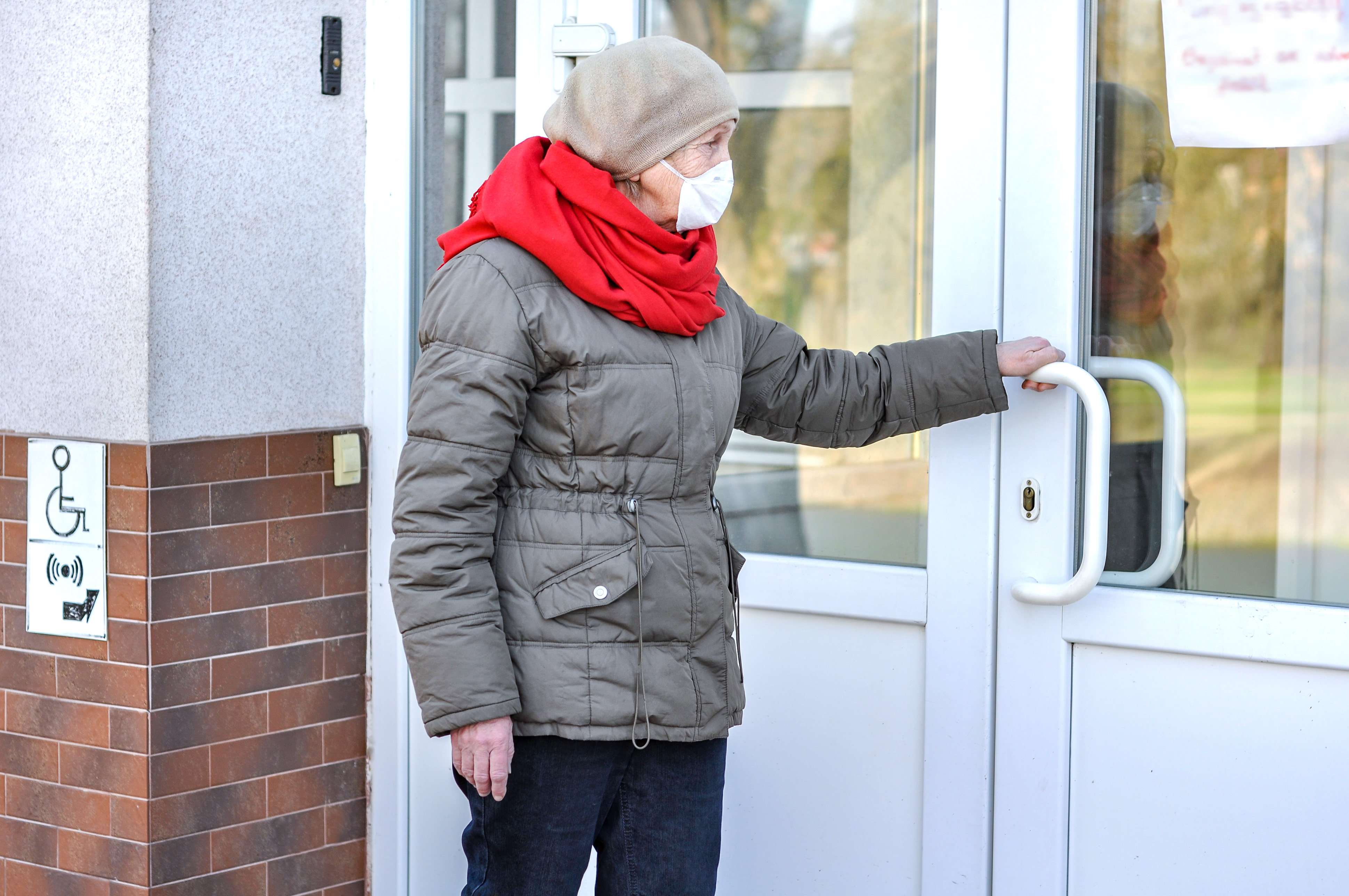
Times of crisis are terribly confusing and frightening, but also oddly clarifying. I’m sure we are all frightened– for ourselves, for our families, for our futures. But this crisis helps us understand how important collective action is in a nation that honors individualists. It helps us understand how vital leadership is in an age of polarization and division. And it helps us understand how fragile our health and healthcare system can be when tested. Just as 9-11 taught us that we are vulnerable and that the kinds of tragedies that have happened “over there” can happen here, COVID-19 is teaching us some valuable lessons.
The crisis has revealed some dark things about our society. Ageism (the one remaining acceptable “ism”) has been clearly expressed in the priorities and positions of supposedly sensible people. People are actually suggesting that because “only old people” are dying we don’t need to treat the pandemic seriously or even that the deaths of “only some old people” are an acceptable cost for avoiding economic dislocation. This is particularly ironic when we watch nearly 80-year-old Dr. Anthony Fauci and other older and experienced public health leaders provide such energetic and desperately needed guidance in this crisis.
The concentration of deaths among people living in residential long-term care (nursing homes, assisted living) is also revealing much about how we treat the frail and vulnerable among us. Due to shortages of resources and alternatives, hospitals have been and still are attempting to discharge probable cases of COVID-19 to nursing homes, which may have two to three older adults sharing one room, and have very limited capacity to manage infectious disease and run the risk of exposing entire facilities.
Nursing homes are also prime examples of how the inequality among workers in our economy can endanger all of us. Direct care workers in nursing homes can’t work remotely and can’t afford to stay home – neither the work nor their wages permit it. Indeed, because their pay is so low (largely because long-term care itself is stingily paid by Medicaid) and because the direct care staff in facilities have not been given adequate training or protective supplies, they have unintentionally spread the infection as they pick up shifts across multiple facilities to try to make ends meet.

COVID-19 can sicken and kill anyone from any age or socio-economic group and we all must do our part to “flatten the curve.” Still, those most directly harmed by the disease are older people, who constitute the vast majority of deaths here in this country and around the world. It seems that this is a perfect opportunity for the general philanthropic community to rally and support infection control in nursing homes or support the long-term care workforce, or anything else that would protect the health and well-being of older adults. In one of the many recent funders calls on COVID-19, we heard about multiple efforts to assist children, but nothing about meeting the health and other essential needs of older adults. The problem isn’t that we shouldn’t try to help children, but rather that we need to help older people as well, and, in proportion to the danger and suffering they face.
We hope that when the crisis has abated, we will all reexamine our ageist attitudes and their implications. We certainly hope that across our economy the inequities in pay and working conditions that put low wage workers like nursing home aides at risk will be addressed, not only out of a sense of justice but because of this demonstration of how we all are dependent upon each other and share a common fate. And finally, we hope that our fellow funders will give more attention to the needs of older Americans – whose vulnerability and need for support have been so painfully demonstrated as this pandemic rages on.
Image: From Lancet Infect Dis 2020 Published Online March 30, 2020 https://doi.org/10.1016/ S1473-3099(20)30243-7Dis 2020


Comments
Re-read this - beautifully articulated important viewpoint!
Thank you for your words of wisdom. As an older adult myself (age 70), and someone who has volunteered in many secular and religious organizations to serve older adults, you have echoed my concerns about this pandemic. I am also appalled at some of the rhetoric from some TV news people at Fox that reeked of ageism and expressed cruelty toward older adults with such comments like, “They were on their last legs anyway.” We need to improve the working conditions of those who work in long-term care facilities and increase their wages. I’m curious to know how much profit the owners of these facilities have made in contrast to what they pay their employees.
Take care and continue working for older adults,
Rosemary Lewallen, MSG
Co-Coordinator
L.B. Elder Abuse Prevention Team
Thank you, Chris, for your thoughtful commentary and your clear vision and leadership in advancing health and quality of life for older adults. Archstone is supporting the work of the Stakeholder Advisory Committee to the CA Master Plan for Aging. This group has prioritized focusing on issues important during the COVID-19 pandemic. The membership is representative of many domains in aging, possesses strong collective expertise, and is committed to health equity, inclusion and engagement of our diverse stakeholders. We deliberated on current top priorities and met with Secretary Ghaly, Director McCoy Wade and several staff to share our recommendations regarding assuring quality and safety for residents and staff in skilled nursing facilities and RCFEs, Personal Protective Equipment (PPE) for staff and family caregivers across settings, and addressing social isolation for vulnerable older adults and persons with disabilities. The meeting was very positive and Secretary Ghaly invited our ongoing discussion with his team. Thanks to the support of the Archstone and other leading foundations, we are able to engage in this important work.
Great article!
Thank you for writing it!
Judy